Monday brief
Master Class: Techniques for Painting a Desert Landscape
Capturing the essence of a vast, arid desert requires more than just sand-colored paint; it involves mastering the interplay of light, rugged textures, and the iconic silhouettes that define this environment. This guide focuses on the foundational techniques for creating a realistic and compelling desert foreground and mid-ground using acrylics.
Caroline Faith Waverly
Desk note
Brief tip
The full sticky-note brief continues below on the Monday desk.
Board
Desk Notes
Capturing the essence of a vast, arid desert requires more than just sand-colored paint; it involves mastering the interplay of light, rugged textures, and the iconic silhouettes that define this environment. This guide focuses on the foundational techniques for creating a realistic and compelling desert foreground and mid-ground using acrylics.
Essential Materials for Desert Landscapes
To achieve the organic tones and sharp contrasts found in nature, you will need the following palette and tools:
-
Acrylic Paints: Mars Black, Titanium White, Raw Sienna (or Yellow Ochre), Burnt Umber, and a hint of Cadmium Orange.
-
Brushes: 3/4" Flat brush for large areas, #4 Round brush for medium shapes, and a fine #0 Round brush for delicate details.
-
Texturing Tools: A synthetic sponge or a palette knife to create rocky or sandy surfaces.
-
Sketching Tool: A standard pencil or white chalk for defining layout lines.
Drafting and Structuring the Horizon
The first step in a desert landscape is establishing the land-to-sky relationship. Use a pencil to lightly sketch a rugged horizon line across the lower third of your canvas. Deserts are rarely perfectly flat; create interest by starting the line lower on one side and allowing it to rise into a rocky mesa or cliff on the other. This structural variation provides a sense of scale and depth.
When blocking in the landmass, use Mars Black or a very deep Burnt Umber. Apply the paint with a flat brush to create a solid, opaque silhouette. This dark foundation is essential for making the later layers of light and shadow appear more vibrant.
Creating Texture and Earth Tones
Once your base layer is dry, you can begin to build the "life" of the desert. The desert floor is a mix of fine sand, coarse gravel, and solid rock. To replicate this:
-
The Sponging Technique: Dip a damp sponge into a mixture of Raw Sienna and a touch of White. Lightly dab this over the black base, leaving some of the dark underpainting visible in the "cracks." This creates the look of porous rock and uneven ground.
-
Layering for Depth: For areas closer to the viewer, add a bit of Cadmium Orange or Burnt Umber to your mix. Warmer, darker tones in the foreground help pull the land toward the viewer, while paler, cooler tones toward the horizon push the landscape back.
Painting Saguaro Cactus Silhouettes
The Saguaro cactus is the hallmark of the desert. To paint these effectively, you must treat them as silhouettes with character. Using a #4 or #0 round brush and black paint, start by painting a vertical "pillar" for the main trunk.
When adding the arms, remember that nature is imperfect. Vary the heights at which the arms sprout from the trunk and curve them upward. To make the desert look expansive, paint a variety of sizes: larger, thicker cacti in the immediate foreground and tiny, thin "sticks" near the horizon. This variation in scale is the most effective way to communicate the vast distances of the desert.
Refined Details and Highlights
To give your desert landscape a professional finish, add subtle highlights to the edges of your landforms. Using your smallest round brush, apply a very thin line of light gray or pale ochre along the very top edge of your cliffs or the "shoulders" of your cacti. This simulates a faint ambient light source and separates your silhouettes from the background.
Finally, consider the ground detail. Use the tip of a fine brush to add small dots or short, vertical strokes to represent desert scrub or distant rocks. These minute details break up the flat areas of color and give the viewer's eye more to explore.
More from this board
NOTE · en
The Most Renowned Still Life Artworks of All Time
Still life artworks capture the allure of ordinary objects—ranging from fruits and blossoms to household utensils—endowing them with artistic importance and emotional resonance.
NOTE · en
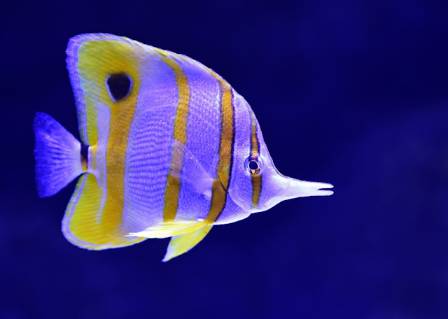
9 Fascinating Facts About Fish and Marine Creatures to Spread Far and Wide
At first glance, a fish’s life might appear uncomplicated, but much like the vast oceans they inhabit, there’s an astonishing depth of complexity hidden just below the surface. We still have an immense amount to discover about marine animals and how they navigate their aquatic world—yet scientific research already paints a vivid picture of these creatures as curious, intelligent beings with rich emotional lives and unique individual traits. These nine remarkable facts reveal just how extraordinary fish and other sea dwellers truly are, and they’re well worth sharing with everyone you know.
NOTE · en

Bestselling Pickup Trucks
Pickup trucks often enjoy unparalleled brand loyalty compared to other vehicle categories. For some buyers, this makes the decision-making process easier, while for others, it can be a bit overwhelming. If you're considering your first truck or are thinking about switching to a different brand, we've compiled a list of the bestselling trucks to help guide you in the right direction.
NOTE · en
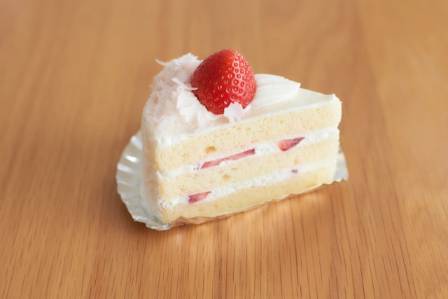
Best Strawberry Cake from Scratch
This homemade strawberry cake is made completely from scratch using strawberry puree and strawberry-flavored gelatin, yet it’s simple enough for anyone to bake at home. As a caterer, this recipe has become one of my most treasured desserts because it always receives amazing feedback. I once prepared it for a child’s birthday celebration, and everyone absolutely loved it. Pair it with cream cheese frosting or rich chocolate ganache for an extra special finish.
NOTE · en
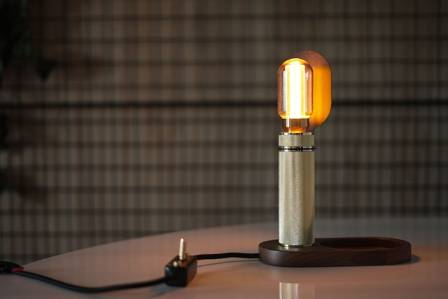
Table Lamp Size Guide
Selecting a table lamp is not only about finding a design that matches your decor. The size of the lamp plays an important role in how practical and balanced it feels in a room. A lamp that is too high may place the exposed bulb directly in your line of sight, while a lamp with an oversized shade can take up too much valuable tabletop space.
NOTE · en

Chongqing's Ultimate Thrill: Raffles City Skywalk
Chongqing is a city unlike almost anywhere else in the world. Often called the “mountain city” or “3D city,” it is built among mountains and waterways, with roads and buildings arranged across dramatically different elevations. After dark, the city becomes an extraordinary display of lights and towering structures that creates a scene difficult to find anywhere else.