Monday brief
Mastering Coastal Scenery: A Guide to Atmospheric Painting
Capturing the essence of a coastal environment requires a focus on lighting effects and the subtle nuances of the atmosphere. This demonstration explores how to depict a seaside vista inspired by the rugged shores of Wellington, New Zealand. The techniques described are versatile and can be applied effectively using either oil or acrylic paints.
William Harrington
Desk note
Brief tip
The full sticky-note brief continues below on the Monday desk.
Board
Desk Notes
Capturing the essence of a coastal environment requires a focus on lighting effects and the subtle nuances of the atmosphere. This demonstration explores how to depict a seaside vista inspired by the rugged shores of Wellington, New Zealand. The techniques described are versatile and can be applied effectively using either oil or acrylic paints.
Strategic Composition and Planning
The primary goal of this arrangement is to convey a sense of atmosphere, with the focal point centered on a sun-drenched section of the mid-ground headland. Secondary visual interest is provided by the distant hills and a group of seagulls. To ensure the foreground headland has sufficient presence, the horizon line is positioned high within the frame. A helpful artistic guideline is to avoid placing the horizon exactly in the center, as an asymmetrical placement creates a more dynamic and visually pleasing result.
Before applying paint to the surface, it is vital to organize the layout. Whether utilizing traditional pencil sketches or modern digital tools, planning the composition beforehand allows for a more structured and confident approach to the final work.
Essential Palette and Tools
To achieve the natural tones of a seaside landscape, a specific selection of colors is required. The palette includes Titanium White, Burnt Sienna, Yellow Ochre, Cadmium Yellow, Cadmium Red Light, Alizarin Crimson, Ultramarine Blue, and Phthalo Green.
The application of these colors relies on a variety of brushes. Flat brushes of various sizes (No. 2, 3, and 5) are excellent for broader strokes, while filberts and dagger brushes provide flexibility for organic shapes. For the most intricate details and highlights, small round brushes (No. 0 and 1) are indispensable.
Establishing the Initial Block-In
The process begins on a medium-weave linen panel primed for oil. The initial layout is sketched using a round brush and Burnt Sienna thinned with a medium to accelerate drying. The first priority is to identify and establish the dark values and shadows. Value refers to the degree of lightness or darkness; in a landscape, the most extreme contrasts appear in the foreground, while distant landforms exhibit a narrower range of values as they recede.
Shadows for the clouds and the distant terrain are created by blending Ultramarine Blue, Burnt Sienna, Alizarin Crimson, and Titanium White. As the scene moves toward the viewer, the shadows deepen, requiring less white. In the immediate foreground, a touch of Yellow Ochre is added to the blue mix to give the shadows a subtle green tint, marking the darkest points of the composition.
Once the dark foundation is set, work progresses to the illuminated areas, starting with the sky and clouds. The sky is rendered with a mix of Ultramarine Blue, Phthalo Green, and white, while cloud highlights are softened with a hint of Burnt Sienna to maintain a natural look.
Refining Vegetation and Water
For the sunlit greenery on the distant headland, the greens should remain desaturated and light in value. As the vegetation moves into the mid-ground, a more vibrant mix of Yellow Ochre, Ultramarine Blue, Cadmium Yellow, and Titanium White is used. Adding a tiny amount of Cadmium Red helps harmonize these greens. Areas falling under cloud shadows require a cooler, muted green palette.
The sea is constructed using a base of Ultramarine Blue, Yellow Ochre, and Phthalo Green. To depict breaking waves and the movement of water closer to the shore, the intensity of the blue and green is increased. The blocking-in phase concludes by painting the cliffs and beaches using earthy combinations of Yellow Ochre, Alizarin Crimson, and Burnt Sienna.
Detailing and Final Highlights
After the initial layers have dried, the focus shifts to modeling and refinement. This involves building up texture in the vegetation and sharpening the definitions of the sky and ocean. The same colors from the previous stage are used, but they are applied in thinner, more deliberate layers to create depth.
The final stage involves adding the brightest highlights and smallest details. A dagger brush is used to suggest features like footpaths along the cliffs or the sharp edges of rocks. The churning "white water" around the shoreline is painted with a mix of Titanium White and a dash of Yellow Ochre to avoid a flat, artificial appearance. Finally, adding a few seagulls provides a sense of scale and life, completing the atmospheric coastal scene.
More from this board
NOTE · en
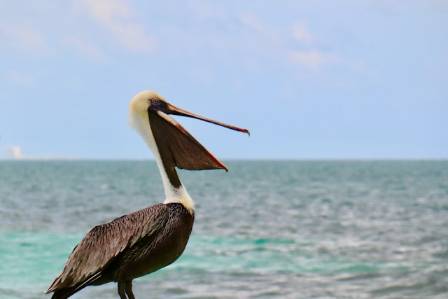
A bird flying close to the water's surface
Pacific Coast brown pelicans form breeding colonies from Baja California northward to California’s Channel Islands, with nesting activity occurring mainly during winter and spring. Once the breeding season ends, many birds migrate north. A small number remain visible in Monterey Bay throughout the year, but most individuals arrive during summer and remain in the area until early autumn.
NOTE · en
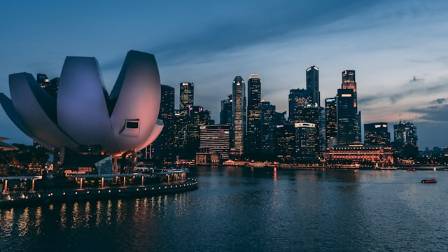
5 Most Stunning Cities to Explore at Night
Exploring a city at night unveils a distinct facet of its personality, where vibrant energy and captivating ambiance come alive. Travel experts at Travelbag utilized a comprehensive ranking methodology, considering factors such as light pollution, Instagram hashtags, and night-time safety, to curate a list of the world's most scenic cities to explore after dark. Here are the top five cities promising unparalleled night-time enchantment.
NOTE · en
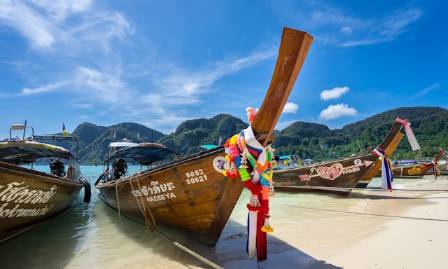
UNESCO Designates 13 New Global Geoparks in Africa, Asia, Europe, and North America
UNESCO's Executive Board, in a momentous decision, has officially recognized 13 additional Geoparks that illuminate the immense geological diversity present across our planet. The global network now proudly boasts 140 UNESCO Global Geoparks spanning 38 countries. Here's an introduction to these newly designated sites:
NOTE · en
A Comprehensive Guide to Vibrant Home Decor: Exploring the Dynamics of Colors in Interior Design
Colors are pivotal in every aspect of life, forging connections between perception, emotions, and sentiments. Within interior spaces, they wield a potent influence, imbuing layouts with an added dose of personality. Beyond their aesthetic appeal, each hue carries its own significance, capable of setting diverse moods, from exuberant to serene, within an interior design project.
NOTE · en
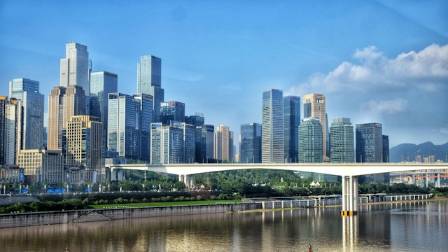
Chongqing's Ultimate Thrill: Raffles City Skywalk
Chongqing is a city unlike almost anywhere else in the world. Often called the “mountain city” or “3D city,” it is built among mountains and waterways, with roads and buildings arranged across dramatically different elevations. After dark, the city becomes an extraordinary display of lights and towering structures that creates a scene difficult to find anywhere else.
NOTE · en
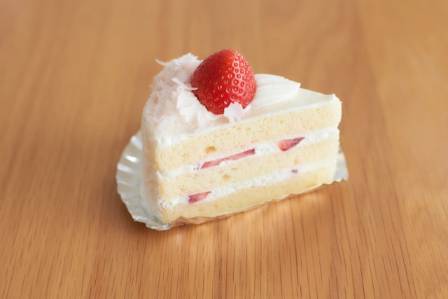
Best Strawberry Cake from Scratch
This homemade strawberry cake is made completely from scratch using strawberry puree and strawberry-flavored gelatin, yet it’s simple enough for anyone to bake at home. As a caterer, this recipe has become one of my most treasured desserts because it always receives amazing feedback. I once prepared it for a child’s birthday celebration, and everyone absolutely loved it. Pair it with cream cheese frosting or rich chocolate ganache for an extra special finish.