Monday brief
How Robotic Space Probes Unravel Deep Space Mysteries
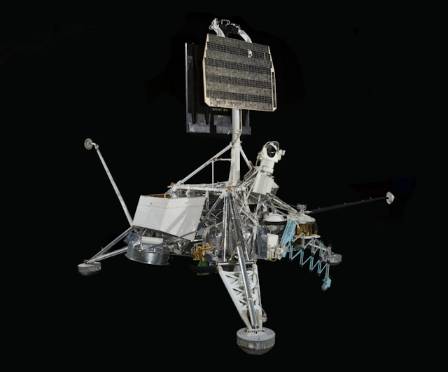
Uncrewed robotic vehicles known as space probes travel across outer space to collect crucial scientific information. These automated machines send detailed scientific measurements back to researchers on Earth. Scientists rely on these craft to examine the Moon, distant planets, natural satellites, comets, asteroids, and the Sun. Many probes even journey far beyond into interstellar space. Standard artificial satellites typically remain trapped in Earth orbit. Space probes differ because engineers launch them toward distant cosmic targets across deep space.
Ella Richardson
Desk note
Brief tip
The full sticky-note brief continues below on the Monday desk.
Board
Desk Notes
Uncrewed robotic vehicles known as space probes travel across outer space to collect crucial scientific information. These automated machines send detailed scientific measurements back to researchers on Earth. Scientists rely on these craft to examine the Moon, distant planets, natural satellites, comets, asteroids, and the Sun. Many probes even journey far beyond into interstellar space. Standard artificial satellites typically remain trapped in Earth orbit. Space probes differ because engineers launch them toward distant cosmic targets across deep space.
How Space Exploration Evolved Across Different Mission Types
Engineers built the earliest space probes during the late 1950s at the dawn of the Space Age. Early achievements included the Soviet Luna craft and the American Pioneer missions. Initial projects focused primarily on studying the Earth moon. Subsequent missions quickly expanded their reach to Venus, Mars, Jupiter, and Saturn. Researchers divide these robotic explorers into several distinct categories based on operational goals. Flyby spacecraft sweep past targets without stopping. Orbiters enter stable orbital paths around celestial objects for extended observation. Landers touch down directly on rocky surfaces. Rovers roll across terrain to gather data. Atmospheric probes descend through gas layers to analyze weather and atmospheric chemistry.
Historic Accomplishments That Changed Planetary Science
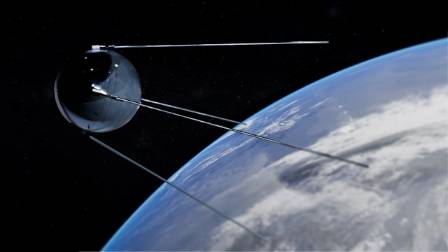
Robotic space probes have delivered groundbreaking scientific breakthroughs over past decades. The Mariner 2 spacecraft flew past Venus in 1962 as the first successful planetary flyby. The twin Voyager spacecraft explored outer gas giants and later crossed into interstellar territory. The Cassini craft conducted an extensive survey of Saturn and its complex moon system. The Huygens lander touched down on Titan in 2005. That event marked the first successful landing on an outer solar system moon.
Modern Missions Journeying Further Into Deep Space
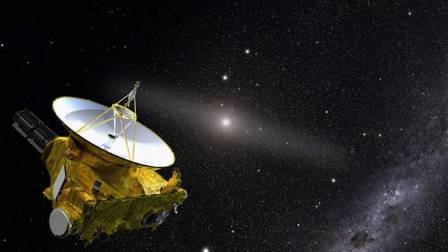
Modern robotic probes continuously venture into ever more distant regions of our cosmic neighborhood. Voyager 1 became the first human device to reach interstellar space in 2012. Advanced contemporary space vehicles push scientific boundaries even further today. The Parker Solar Probe travels extremely close to the Sun to investigate solar physics. The Lucy craft travels through space to study ancient primitive asteroids. These modern missions help scientists understand the origin of our solar system.
More from this board
NOTE · en
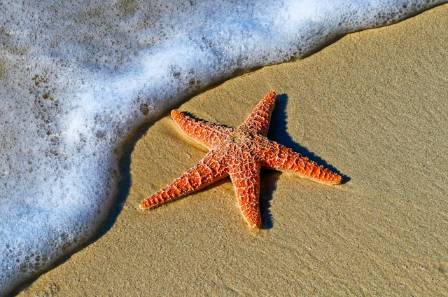
Are starfish really fish?
Although sea stars live in the ocean, they are very different from fish. They do not have gills, scales, or fins, and they survive only in saltwater environments. Instead of using blood to transport nutrients throughout their bodies, sea stars rely on seawater that moves through a special internal system called a water vascular system.
NOTE · en
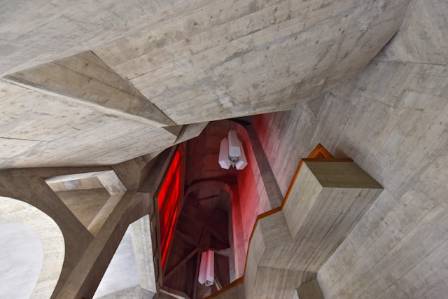
Reimagining Space in Contemporary Design: Functions, Categories, and Effects
In contemporary design, the concept of space is integral, influencing not only the aesthetic appeal but also the functionality and emotional resonance of environments. Designers meticulously craft spaces to evoke specific moods, facilitate particular behaviors, and enhance user experiences. This exploration delves into the various types of spaces in modern design, examining their roles, characteristics, and the profound impact they have on both individuals and communities.
NOTE · en
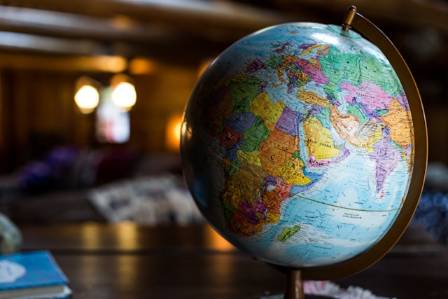
World Globes and Their Advantages
In a world where digital maps, GPS systems, and satellite photographs have become part of everyday life, the traditional globe still offers something uniquely valuable.
NOTE · en
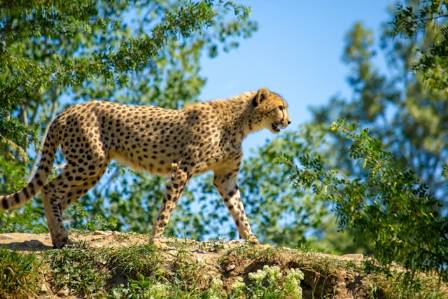
Cheetah: Conservation Conundrum
“The lion will fight, the hyena will escape, and the leopard will hide, but the cheetah is easy to kill. It becomes a challenge for young men and their dogs.” — Maasai elder
NOTE · en
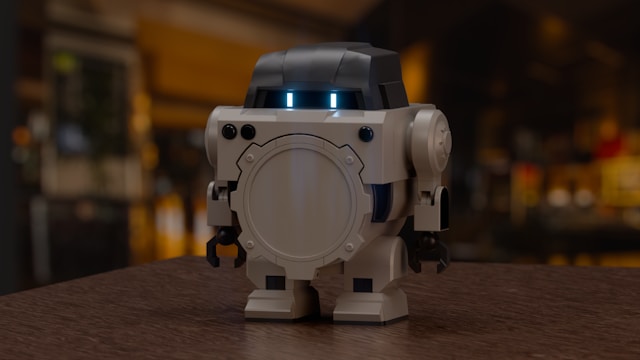
Mini Robot: Uses, Costs, and Top Picks
Mini robots may be small in size, but they perform significant tasks in factories, classrooms, and homes. These compact machines, typically priced from $500 to $15,000, are designed to operate in areas where full-size robots cannot fit.
NOTE · en
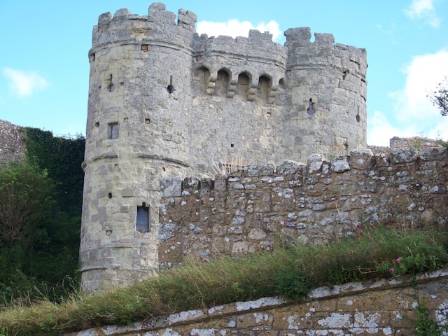
Guédelon Castle: Building a Medieval Fortress Through Experimental Archaeology
In the forested heart of Burgundy’s Puisaye region, 100 miles southeast of Paris, a thirteenth-century castle is rising—one stone, one timber, and one hand-forged nail at a time. Guédelon Castle, nestled in an abandoned quarry, is no mere replica; it is the world’s most ambitious and longest-running experimental archaeology project. Since 1998, a team of 40 artisans, builders, and researchers has labored to construct a medieval fortress using only the tools, techniques, and materials available in the 1200s. Their mission: to uncover the lost knowledge of medieval craftsmanship, fill gaps in archaeological understanding, and bring to life the realities of building in an era without power tools, concrete, or modern blueprints.