6 Things You Need to Know About Clownfish

Monday brief

6 Things You Need to Know About Clownfish

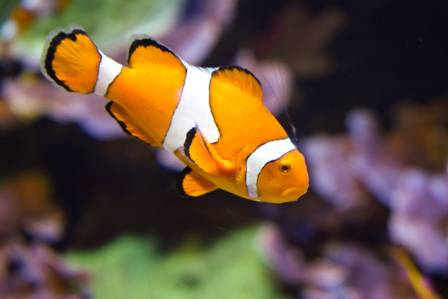
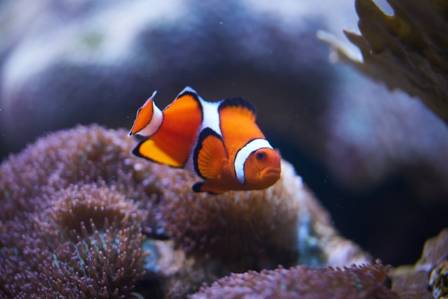
Clownfish exhibit a vibrant array of body colors depending on their specific variety, including shades of yellow, orange, red, and black. Most display distinctive white markings or patterns. These small marine fish typically range in size from 7-8 cm at their smallest up to 17 cm in length.

N

Nancy White

Desk note

Brief tip

The full sticky-note brief continues below on the Monday desk.

Board

Desk Notes

Physical Characteristics

Clownfish exhibit a vibrant array of body colors depending on their specific variety, including shades of yellow, orange, red, and black. Most display distinctive white markings or patterns. These small marine fish typically range in size from 7-8 cm at their smallest up to 17 cm in length.

Habitat and Feeding Patterns

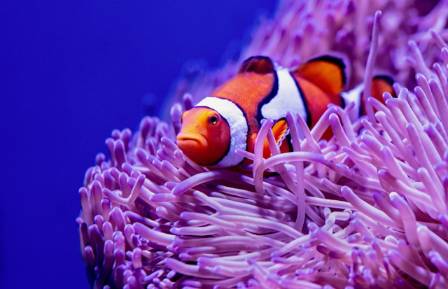
These colorful fish inhabit warm tropical waters such as those of the Red Sea and Pacific Ocean. They reside within sheltered coral reefs and lagoons, making their homes among the tentacles of sea anemones. Their diet consists of small invertebrates, algae, and leftover particles from their host anemone's meals.

Mutual Partnership with Anemones

Clownfish maintain a mutually beneficial symbiotic relationship with their host anemones. The anemone provides protection from predators and shares food remnants with its resident fish. In exchange, the clownfish's bright coloration attracts other fish toward the anemone's stinging tentacles. Additionally, the clownfish provides nutrient-rich waste that nourishes the anemone.

Notable Biological Facts

Clownfish can spawn throughout the year without seasonal restrictions
Male clownfish assume primary responsibility for guarding deposited eggs until hatching
All clownfish begin life as males, with some transforming into females later in life—a change that is irreversible
The precise mechanism enabling clownfish immunity to anemone venom remains partially understood
While males provide most parental care, females occasionally assist in tending eggs
These fish produce distinctive popping and clicking sounds to communicate

Reproductive Behavior

Living in social groups dominated by a single female and male pair accompanied by several smaller males, clownfish communicate acoustically through popping noises. The dominant male maintains its status by controlling access to food resources. Remarkably, if the group's female perishes, the dominant male undergoes a permanent sex change to become female, while the largest subordinate male assumes the dominant male role.
Females can deposit thousands of eggs during spawning. After the male fertilizes them, he typically consumes any damaged or non-viable eggs to protect the remaining clutch.

Conservation Status

While not currently considered highly vulnerable, clownfish populations have declined in certain regions. Representing 43% of the worldwide marine ornamental trade, approximately 75% of these fish are wild-caught rather than captive-bred. This harvesting pressure has led to reduced population densities in heavily exploited areas, highlighting the importance of sustainable practices to ensure the long-term survival of these unique marine species.

More from this board

NT

NOTE · en

12 Refreshing Beverages to Beat the Summer Heat

12 Refreshing Beverages to Beat the Summer Heat

Cool down with these delightful cocktail and mocktail recipes featuring sparkling drinks, fruit punches, infused waters, and other thirst-quenching creations perfect for warm weather gatherings.

NT

NOTE · en

World's Premier Cricket Teams: Who Dominates Globally?

World's Premier Cricket Teams: Who Dominates Globally?

Cricket is a sport that ignites emotions and thrills like no other. Each boundary brings excitement, and every wicket taken leaves fans in awe. At its heart, this dynamic game is defined by the fierce rivalries between the globe's leading teams, who compete fiercely for dominance on historic grounds. But which team truly reigns supreme in international cricket?

NT

NOTE · en

The Giants That Shape Africa’s Ecosystems

The Giants That Shape Africa’s Ecosystems

African elephants are the largest animals that live on land. They are generally bigger than their Asian relatives and are easily identified by their enormous ears, whose outline is often compared with the shape of the African continent. Asian elephants, by contrast, have ears that are smaller and more rounded.

NT

NOTE · en

Thomas Jefferson Memorial: A Tribute to an American Visionary

Thomas Jefferson Memorial: A Tribute to an American Visionary

The Thomas Jefferson Memorial stands as a monumental tribute to the nation's third president and the principal author of the Declaration of Independence. Situated on the south bank of the Tidal Basin in Washington, D.C., the memorial honors Jefferson's profound contributions to the founding of the United States, his advocacy for liberty, and his wide-ranging intellect as a statesman, architect, and philosopher.

NT

NOTE · en

Sandy Yet Snowy: Beaches Next to Snow-Capped Mountains

Sandy Yet Snowy: Beaches Next to Snow-Capped Mountains

Across the planet, some landscapes create a stunning contrast by placing warm sandy beaches beside towering snow-covered peaks. These rare destinations combine two completely different environments, where visitors can enjoy sunshine by the shore and winter adventures in the mountains within the same day.

NT

NOTE · en

That Wānaka Tree: New Zealand’s Most Famous Tree

That Wānaka Tree: New Zealand’s Most Famous Tree

We all dream of becoming famous at some point. These days, you can try your luck through controversial reality shows, gain attention by doing ridiculous things online, or become well known because you genuinely excel at something. Another option is to simply be a partially submerged willow tree standing by itself in Lake Wānaka.