
Monday brief
Icebox Cakes: A Sweet History and Mouthwatering Recipes
Today we are going on a delightful journey through the world of icebox cakes! If you're searching for a dessert that's refreshing, easy to make, and absolutely scrumptious, then look no further. Icebox cakes are a beloved treat that will bring a smile to your face and a satisfying chill to your taste buds. Join us as we explore the fascinating history of icebox cakes, their rise to popularity, and four irresistible recipes that will make your next gathering a sweet success.
Julian Chapman
Desk note
Brief tip
The full sticky-note brief continues below on the Monday desk.
Board
Desk Notes
A Brief History of Icebox Cakes
The Rise of Icebox Cakes
Classic Chocolate Icebox Cake
-
2 cups heavy cream
-
1/2 cup powdered sugar
-
1 teaspoon vanilla extract
-
24 chocolate wafer cookies
-
In a mixing bowl, whip the heavy cream, powdered sugar, and vanilla extract until stiff peaks form.
-
Spread a thin layer of whipped cream in a serving dish and top with a layer of chocolate wafer cookies.
-
Repeat the layers until you run out of cookies, finishing with a layer of whipped cream on top.
-
Refrigerate the cake for at least 4 hours or overnight to allow the cookies to soften and the flavors to meld. Slice and serve!
Strawberry Shortcake Icebox Cake
-
2 cups heavy cream
-
1 (8-ounce) block of cream cheese
-
1/4 cup powdered sugar
-
1/4 cup granulated sugar
-
1 teaspoon vanilla extract
-
24 ladyfinger cookies
-
2 cups fresh strawberries, sliced
-
Whip the heavy cream and powdered sugar until soft peaks form.
-
Mix the cream cheese, granulated sugar, and vanilla extract together.
-
Fold the whipped cream into the cream cheese mixture.
-
In a serving dish, spread a thin layer of the cream filling, followed by a layer of ladyfinger cookies and sliced strawberries.
-
Repeat the layers until you run out of ingredients, finishing with a layer of whipped cream on top.
-
Chill the cake in the refrigerator for at least 3 hours, allowing the flavors to meld. Garnish with additional strawberries and enjoy!

Oreo Icebox Cake
-
2 cups heavy cream
-
1/4 cup powdered sugar
-
1 teaspoon vanilla extract
-
24 Oreo cookies
-
Whip the heavy cream, powdered sugar, and vanilla extract until stiff peaks form.
-
Spread a thin layer of whipped cream in a serving dish and top with a layer of Oreo cookies.
-
Repeat the layers until you run out of cookies.
-
Refrigerate overnight until you are ready to serve!
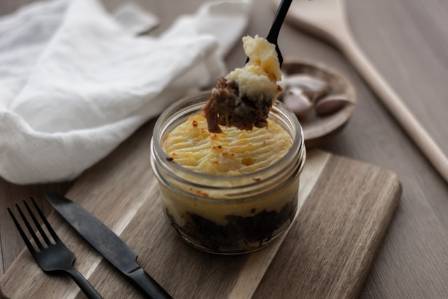
Chocolate and Tahini Icebox Pie
-
1½ cups finely grated baking chocolate
-
¾ cup cream
-
2 tablespoons sugar
-
9 tablespoons unsalted butter (7 melted)
-
1 teaspoon vanilla extract
-
9 whole graham crackers
-
¼ cup packed brown sugar
-
Pinch of salt
-
2 pints vanilla ice cream, softened out of freezer for 30 minutes
-
3 tablespoons tahini
-
In a medium saucepan over medium heat, combine grated baking chocolate, cream, sugar, 2 tbsp butter, and vanilla and whisk until melted.
-
Pulse the graham crackers in a food processor until fine crumbs. Add brown sugar, salt, and 7 tbsp melted butter. Press into a 9-inch pie plate.
-
Mix the softened ice cream with the tahini.
-
Spread ½ cup chocolate sauce evenly over the bottom of the crust.
-
Add tahini ice cream, cover with plastic wrap, and freeze until set.
More from this board
NOTE · en

Types of small boats
Small boats attract many people because they are practical, flexible, and accessible. They can be used for a wide range of activities, including fishing, exploring waterways, enjoying water sports, and spending quality time with family and friends.
NOTE · en

The Evolution of Skateboarding: A Deeper Look into the Sport
Skateboarding, a dynamic sport and recreational activity, involves the art of riding and executing tricks on a skateboard. Skaters find themselves perched atop a flat wooden board, a configuration consisting of a deck, trucks, and wheels, utilizing a unique blend of momentum and footwork to perform awe-inspiring tricks.
NOTE · en

The Future Development of Maglev Trains
Maglev trains, short for “magnetic levitation,” represent a revolutionary approach to high-speed rail travel. Using powerful magnets to lift and propel the train, maglev technology allows for unprecedented speeds, smoother rides, and a lower environmental footprint compared to conventional rail systems.
NOTE · en

Top 10 Destinations to Admire Fall Foliage in 2025
When the leisurely days of summer fade away and a crisp chill creeps into the air, there’s no need to feel gloomy. Autumn stands as nature’s most dazzling season—a final, vibrant flourish before winter’s harsh winds take over.
NOTE · en
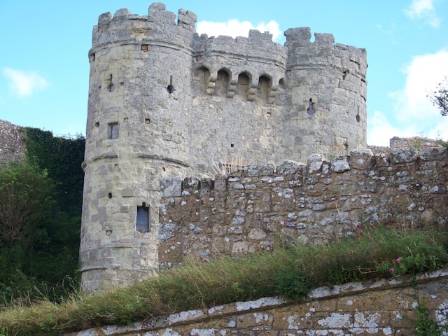
Guédelon Castle: Building a Medieval Fortress Through Experimental Archaeology
In the forested heart of Burgundy’s Puisaye region, 100 miles southeast of Paris, a thirteenth-century castle is rising—one stone, one timber, and one hand-forged nail at a time. Guédelon Castle, nestled in an abandoned quarry, is no mere replica; it is the world’s most ambitious and longest-running experimental archaeology project. Since 1998, a team of 40 artisans, builders, and researchers has labored to construct a medieval fortress using only the tools, techniques, and materials available in the 1200s. Their mission: to uncover the lost knowledge of medieval craftsmanship, fill gaps in archaeological understanding, and bring to life the realities of building in an era without power tools, concrete, or modern blueprints.
NOTE · en

Antirrhinum majus: From Greenhouse Production to Floral Arrangements
Snapdragon (Antirrhinum majus) belongs to the Scrophulariaceae family. The name Antirrhinum originates from Greek, meaning “nose-like,” referring to the distinctive form of its blossoms. Each flower is approximately 1¼ to 1½ inches long, with a tubular structure and rounded upper and lower lips. Depending on the variety, flowers may be single, double, or open-faced (commonly called “butterfly” types) that lack a defined lip.