Monday brief
Interesting Koala Facts
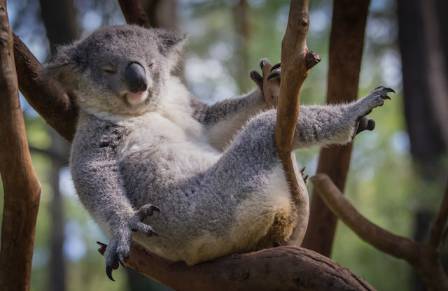
Koalas aren’t bears. They’re marsupials, meaning their young are born underdeveloped and then continue developing in the mother’s pouch.
Benjamin Lewis
Desk note
Brief tip
The full sticky-note brief continues below on the Monday desk.
Board
Desk Notes
Not bears, but marsupials
Habitat loss is their biggest threat
Population estimates
Special paws
Sleeping a lot
Eating habits
“Home trees” and home range
Male scent glands
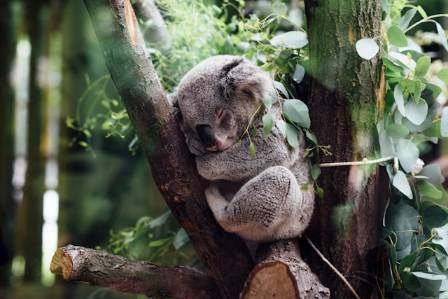
Joey development
Maturity
Geographic range and habitat
Moisture source
Chlamydia
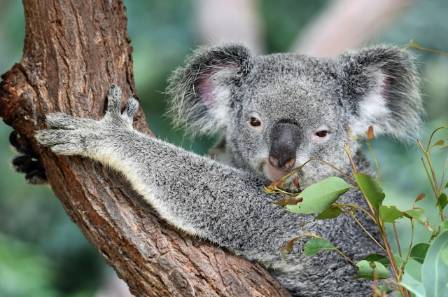
Human-caused mortality
More from this board
NOTE · en

The Best RV for Large Families
Whether your family has one child or three (or more), the key to a smooth and enjoyable camping experience is selecting the appropriate RV. Start by identifying which RV type fits both your family size and budget.
NOTE · en
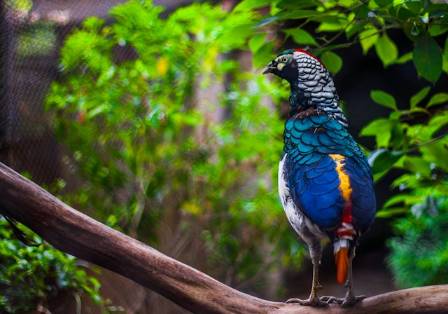
Lady Amherst Pheasant: A Striking Ornamental Bird
Many pheasant species are popular among ornamental bird enthusiasts because of their remarkable and colorful plumage. Every variety has its own distinctive appearance, making pheasants especially appealing to people who enjoy keeping beautiful birds. Among the most artistically patterned species is the Lady Amherst pheasant.
NOTE · en

A Spotlight on Innovation: The World's Top Biotech Startups
In the dynamic field of biotechnology, a new generation of companies is pushing scientific boundaries to address global challenges in health, agriculture, and industry. A recent analysis by LexisNexis Intellectual Property Solutions, utilizing the PatentSight+ platform, has identified ten startups leading this charge based on the strength and quality of their patent portfolios, as measured by the proprietary Patent Asset Index. This metric evaluates portfolio size alongside the technological value and global reach of protected inventions.
NOTE · en
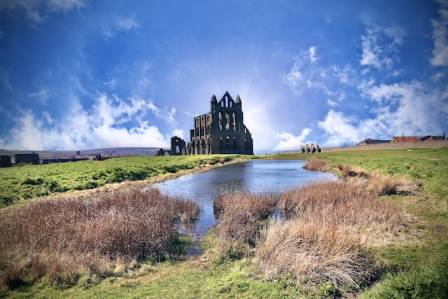
Top 7 Things to See and Do at Whitby Abbey
Whitby Abbey, a remarkable 13th-century Gothic site, stands proudly above the town of Whitby, offering both breathtaking views and a rich history to explore. As one of the most iconic landmarks in England, it is known not only for its architectural grandeur but also as a source of inspiration for artists, writers, and poets. Whether you’re a history buff, a family looking for adventure, or someone intrigued by gothic tales, there’s plenty to discover here.
NOTE · en

When the Lights Come On: Exploring the World’s Most Stunning Cities at Night
As dusk settles and the urban bustle releases its grip, many cities around the world unveil their most captivating sides under the night sky. From softly illuminated historical landmarks to vibrant neon-lit districts, the allure of cities at night often surpasses their daytime charm. For enthusiasts of nocturnal beauty—whether you’re a dedicated night wanderer or someone who appreciates city lights in a serene setting—this guide explores ten of the most beguiling cities that come alive after dark.
NOTE · en
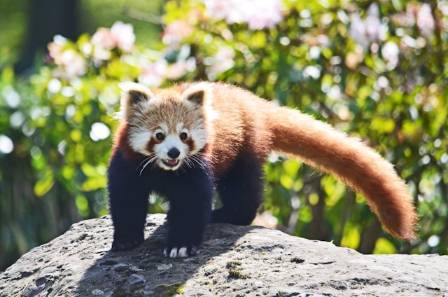
Is a Red Panda a Bear?
September 19 marks International Red Panda Day, a special occasion to celebrate one of the world’s most charming and unusual mammals. Whether you call them red pandas, firefoxes, red bear-cats, lesser pandas, first pandas, or simply “the other pandas,” these fluffy creatures are full of fascinating secrets.