Monday brief
Plum Blossoms: The Best Early Spring Flower
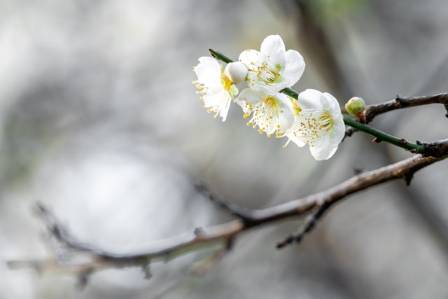
Plum blossoms in Japan are truly breathtaking. If you are considering a spring trip to Japan for the cherry blossom season, the Ume Matsuri, or plum blossom festival, held around mid-February, is an excellent alternative. This traditional celebration allows visitors to experience Japan’s floral beauty without the massive crowds and high travel costs often associated with sakura season. Hanami, the Japanese custom of enjoying seasonal flowers, includes both plum blossoms and cherry blossoms.
Leon Fletcher
Desk note
Brief tip
The full sticky-note brief continues below on the Monday desk.
Board
Desk Notes
Plum blossoms in Japan are truly breathtaking. If you are considering a spring trip to Japan for the cherry blossom season, the Ume Matsuri, or plum blossom festival, held around mid-February, is an excellent alternative. This traditional celebration allows visitors to experience Japan’s floral beauty without the massive crowds and high travel costs often associated with sakura season. Hanami, the Japanese custom of enjoying seasonal flowers, includes both plum blossoms and cherry blossoms.
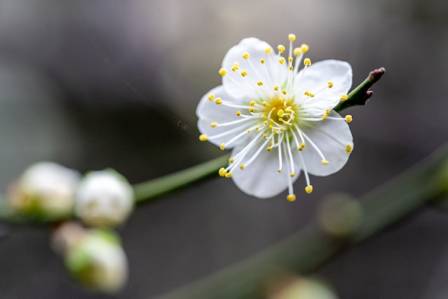
Ume flowers appear in shades of white, soft pink, and deep crimson, and their fragrance is often stronger than that of cherry blossoms. Because plum trees bloom earlier than cherry trees, they are regarded as one of the first signs that spring is approaching. During Ume Matsuri, visitors can enjoy cultural experiences such as tea ceremonies, traditional performances, and peaceful walks through flower-filled gardens.
Plum groves, parks, and temple grounds covered with ume blossoms create a calm and memorable atmosphere. Although plum flowers are not as internationally famous as cherry blossoms, they offer a unique and equally enchanting way to experience Japan’s natural beauty.
What Are Plum Blossoms?
Although flower viewing is now strongly associated with cherry blossoms, the tradition of hanami has a much longer history. During Japan’s Heian period (794–1185 CE), cherry trees gradually became available to ordinary people. Before that time, cherry blossoms were considered a luxury enjoyed mainly by the aristocracy, who kept these beautiful trees limited to elite circles.
However, seasonal flower celebrations existed beyond the upper classes long before cherry blossom viewing became widespread. The blooming of the ume tree represented the arrival of spring and held great importance in Japanese culture. Plum trees were introduced from China during the Nara period (710–784 CE), and their beautiful blossoms later inspired the creation of ume matsuri, festivals dedicated to celebrating these flowers.
The difference between plum and cherry blossoms is not only historical but also seasonal. Cherry blossoms usually appear in late April, forming soft pink clusters along the branches of the tree.
Plum blossoms, on the other hand, emerge much earlier, often beginning as early as February. Their flowers grow directly from the branches and appear individually rather than in large clusters. Because they bloom during the final days of winter, plum blossoms have come to symbolize renewal, hope, and strength during difficult times.
Symbolism of Plum Blossoms
The meaning behind plum blossoms has been deeply respected throughout Japanese history. They played an important role in traditional poetry and artwork, especially before the adoption of the Gregorian calendar. In classic Japanese literature, the word “ume” was closely connected with the early spring season and appeared frequently in haiku and other poetic forms.
Plum blossoms are also a popular subject in traditional Japanese paintings. Their elegant appearance can be found decorating kimono patterns and other cultural artwork. In addition, the ume flower represents one of the suits in the traditional Japanese card game Hanafuda, showing its lasting influence on Japanese culture.
Plum Blossom Viewing in Modern Japan
Today, ume matsuri continues to attract visitors throughout Japan. After learning about the history and meaning of plum blossoms, the next question is where to enjoy these beautiful flowers. Fortunately, Japan offers many wonderful locations for plum blossom viewing.
In Tokyo, one of the most popular destinations for Ume Matsuri is Koishikawa Korakuen Garden. Located less than 20 minutes by train from the Imperial Palace, this historic garden contains approximately 150 plum trees. Dating back to the Edo period (1603–1868 CE), the garden provides a peaceful escape from the busy city and has long been a favorite place to admire ume blossoms.
For travelers interested in exploring Japan’s history, Kairakuen Garden in Ibaraki Prefecture is another remarkable destination. About a two-hour train ride from Tokyo Station, this famous garden is home to more than 3,000 plum trees and is recognized as one of Japan’s Three Great Gardens.
Those looking for a more adventurous experience can visit Dazaifu Tenmangu Shrine in Fukuoka Prefecture. Established in 905 CE, this historic Shinto shrine features more than 6,000 plum trees representing 167 different varieties. The location offers an unforgettable combination of natural beauty, traditional culture, and Japanese history.
Many travelers know about Japan’s famous cherry blossom season and the celebrations surrounding it. However, discovering the quieter and earlier season of ume blossoms reveals another side of Japan’s floral traditions. With their delicate beauty, rich symbolism, and fascinating history, plum blossoms provide a wonderful reason to visit Japan before sakura season begins.
More from this board
NOTE · en

The 6 Most Famous Oil Paintings
Paintings rendered in oil by renowned artists have long served as powerful conduits for emotional expression and layered symbolism, often surpassing other visual forms in depth and resonance. Works like Leonardo da Vinci’s Mona Lisa and Vincent van Gogh’s Starry Night are universally celebrated, while pieces such as Pablo Picasso’s Guernica have taken on iconic status as visual protests against violence.
NOTE · en

A Journey Beyond Earth: The Evolution of Space Exploration
Since ancient times, humans have gazed at the stars, filled with wonder about what lies beyond our world. This fascination eventually led to technological advancements that allowed us to break free from Earth’s gravity and begin exploring outer space.
NOTE · en
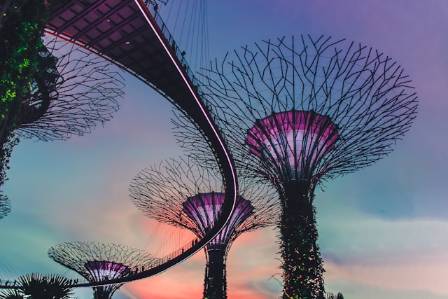
7 Fascinating Design Secrets of Singapore’s Garden by the Bay
Singapore’s Garden by the Bay is more than a park—it’s a futuristic blend of landscape artistry, advanced technology, and sustainable innovation. Opened in 2012, this 101-hectare oasis has become one of the nation’s most celebrated attractions, drawing millions of visitors annually. Here are seven design highlights that reveal why it remains such a global icon.
NOTE · en
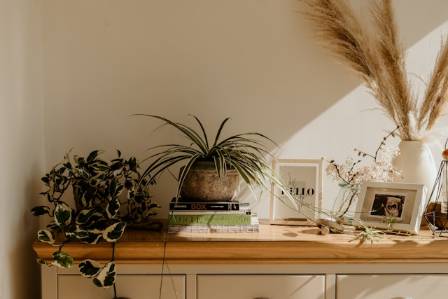
Embracing Timelessness: Wabi-Sabi Principles in Interior Design
Wabi-Sabi embraces the idea that imperfection can be beautiful. More than an interior design style, it represents a wider way of living that values mindfulness, simplicity, and sustainability. This traditional Japanese philosophy feels especially relevant in a modern world that often places too much emphasis on speed, perfection, and constant improvement. By appreciating signs of age, natural variation, and authentic materials, Wabi-Sabi encourages us to accept our surroundings as they are. It helps create a stronger appreciation for everyday life while promoting a more thoughtful and sustainable approach to our homes.
NOTE · en
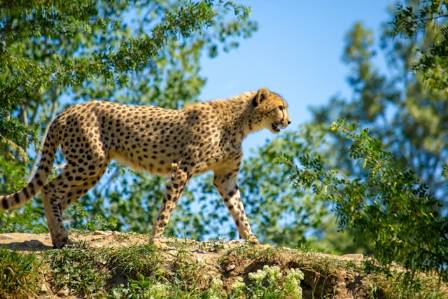
Cheetah: Conservation Conundrum
“The lion will fight, the hyena will escape, and the leopard will hide, but the cheetah is easy to kill. It becomes a challenge for young men and their dogs.” — Maasai elder
NOTE · en
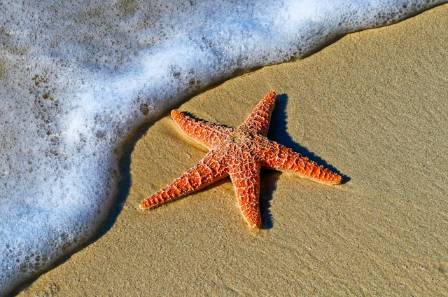
Are starfish really fish?
Although sea stars live in the ocean, they are very different from fish. They do not have gills, scales, or fins, and they survive only in saltwater environments. Instead of using blood to transport nutrients throughout their bodies, sea stars rely on seawater that moves through a special internal system called a water vascular system.