
Monday brief
The Future of the Robotic Kitchen
For many people, the kitchen has always been the central place of the home. Today, it is also becoming an important area for technology innovation, with AI-powered appliances and the growing idea of robotic kitchens changing the way people prepare meals.
Maya Collins
Desk note
Brief tip
The full sticky-note brief continues below on the Monday desk.
Board
Desk Notes
For many people, the kitchen has always been the central place of the home. Today, it is also becoming an important area for technology innovation, with AI-powered appliances and the growing idea of robotic kitchens changing the way people prepare meals.
Although fully automated robot chefs are still in the early stages of development, modern smart kitchens already show what the future may look like. Features such as intelligent automation, voice commands, and personalized cooking systems powered by data are becoming increasingly available. As artificial intelligence and kitchen technology continue to improve, robotic kitchens are expected to become more common.
This article explores the development of robotic kitchens, how new technologies are being introduced, and how people can prepare for the next generation of cooking experiences.
What Is a Robotic Kitchen?
A robotic kitchen is a cooking space that uses automation, artificial intelligence, and advanced technology to help prepare food.
While traditional smart kitchens use connected devices and digital features, robotic kitchens take automation much further. In a robotic kitchen, machines can complete cooking tasks independently with little or no human assistance. For example, robotic arms equipped with intelligent systems can cut vegetables, move ingredients, and place them into cooking containers.
By comparison, common kitchen tools such as electric slicers or food processors only make certain tasks faster while still requiring people to operate them.
Currently, most robotic kitchen systems are mainly used in commercial environments, where robots help improve accuracy and efficiency in large-scale food preparation. Although home robotic kitchens are not yet widely available, interest in using this technology in residential spaces is increasing.
When adding robotics to a home kitchen, it is important to think about how these systems connect with the overall smart home environment. For example, a robotic assistant could deliver prepared meals to different areas of the house. Kitchen devices can also be linked with other smart home controls, allowing users to manage cooking functions through the same systems they use for lighting, temperature, or security.

The Growth of AI Kitchen Appliances
While advanced robotic chefs are still mostly found in professional settings, many households already use AI-supported kitchen appliances, including smart ovens, intelligent refrigerators, and connected cooking surfaces.
Artificial intelligence allows these devices to learn from user habits and adjust their performance accordingly. For example, a smart refrigerator may recognize regular usage patterns and modify its cooling settings at certain times to improve energy efficiency.
How AI Improves Cooking Efficiency
AI-powered kitchen appliances rely on sensors, cameras, and machine learning technology to recognize conditions, detect problems, and find ways to improve everyday cooking tasks.
Through continuous learning, these devices can provide more reliable results, increase efficiency, and improve food safety. Smart ovens and cooking devices can automatically change cooking temperatures and durations based on the food being prepared. Intelligent refrigerators can notify users when items are close to expiring, while connected freezers can send alerts if the door has accidentally been left open.
These features help reduce food waste, save energy, and make sure meals are prepared more consistently according to personal preferences.

More from this board
NOTE · en

Nature's Shifting Mosaic: The Dynamic Splendor of Autumnal Leaves
Following a scorching summer, leaves commence their transition back to green with the onset of rainfall. Leaves, a splendid facet of nature, bestow profound lessons about life. At the advent of each new season, leaves undergo a metamorphosis.
NOTE · en

The tastiest sweet potatoes in the world
Roasted sweet potatoes are one of my absolute favorite ways to enjoy vegetables. They turn out with a deep orange glow, a naturally creamy bite, and a rich, caramel-like sweetness that makes them hard to resist.
NOTE · en
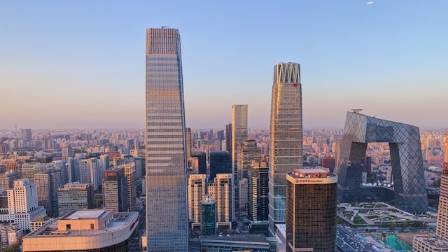
Beijing Central Business District
OMA’s CBD Core concept began with an observation about the limitations of conventional skyscraper-based business districts. High-rise towers have transformed central business areas into environments that often look and function almost the same everywhere. At the same time, major changes in global economics and rapid developments in information technology have completely reshaped the way office work operates.
NOTE · en

The Most Enduring Bridge: Seven Essentials About the Golden Gate Landmark
Few structures captivate the imagination like the Golden Gate Bridge. An engineering marvel born from the hardship of the Great Depression, it has become a symbol not only of San Francisco but of American ingenuity and ambition. This refreshed look explores seven reasons why the Golden Gate Bridge remains a landmark in history, culture, and design.
NOTE · en

6 Things You Need to Know About Clownfish
Clownfish exhibit a vibrant array of body colors depending on their specific variety, including shades of yellow, orange, red, and black. Most display distinctive white markings or patterns. These small marine fish typically range in size from 7-8 cm at their smallest up to 17 cm in length.
NOTE · en

Inside the Architectural Marvel of Burj Khalifa and the Secrets Behind the Tallest Skyscraper on Earth
The engineering feat known as the Burj Khalifa represents the ultimate pinnacle of modern architectural design and stands proudly in the heart of Dubai within the United Arab Emirates. Originally known as the Burj Dubai before its official unveiling to the public, this monumental structure was meticulously crafted by a globally renowned architecture firm. Breaking historical boundaries, it has maintained its undisputed status as the tallest man-made structure on the planet since reaching its full height. The building reaches an astonishing total height of more than eight hundred and twenty-nine meters, easily surpassing the previous record holder in Taipei which had claimed the title for several years prior.